Creamy Scrambled Eggs: 12 Min

Table of Contents
Creamy scrambled eggs are eggs stirred slowly in a little butter over gentle heat until they form small, soft curds in a glossy, almost custard-like base, then taken off the heat before they look finished. This version is written for one person: 2 eggs in a small pan, ready in 12 minutes in total, from whisking to the plate.
The recipe is adapted from the ‘Klassisches Rührei’ page of the KochWiki community cookbook, with technique tips from English Wikibooks (full credits at the end of the article). One change matters: KochWiki cooks over medium heat, while this page uses medium-low heat. That is our editorial adaptation for a creamier result, not a tested change. The eggs are meant to be soft and not fully set, which also means the dish is not safe for everyone: read the food safety section before serving it to young children, pregnant people, older adults or anyone with a weakened immune system.
This is not the same recipe as our creamy scrambled quail eggs with truffle , which uses quail eggs, cream and fresh black truffle for a starter for two; here it is everyday hen eggs, butter and chives. For another tender egg, see our poached eggs or our guide to soft-boiled eggs , and for an egg dish cooked right through, tamagoyaki, the Japanese rolled omelette .
Utensils #
- A small heavy or non-stick pan
- A bowl and a fork to break up the eggs
- A wooden spoon or a heatproof spatula for slow stirring
- A warm plate to serve on
- Kitchen scissors or a knife to snip the chives
- A watch or timer, as a rough guide only (the texture decides)
Recipe #
Ingredients #
- 2 chicken eggs (the source gives no egg size)
- 1/3 tablespoon butter, for the pan (about 5 g)
- cold butter, for finishing: a few small pieces, optional, to taste
- salt, to taste, added just before the eggs are done
- freshly ground white or black pepper, to taste, optional, added at the end
- fresh chives, optional, for garnish
Instructions #
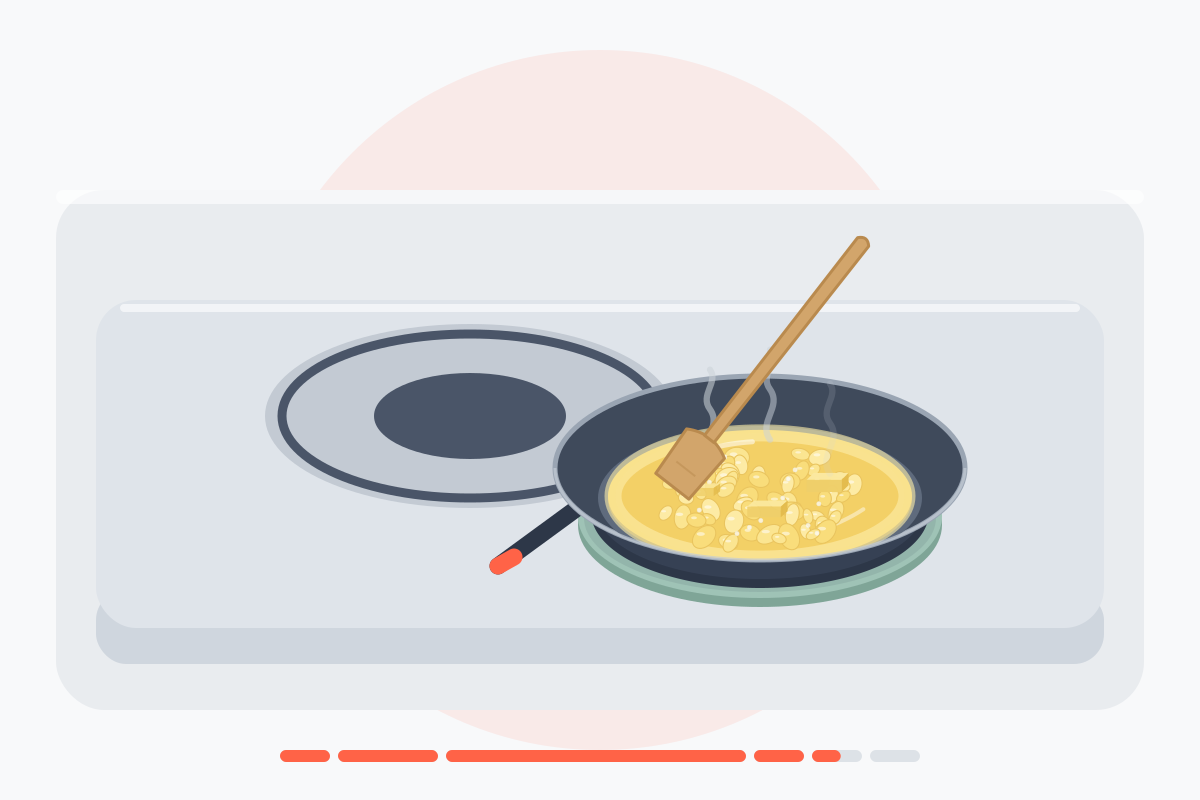
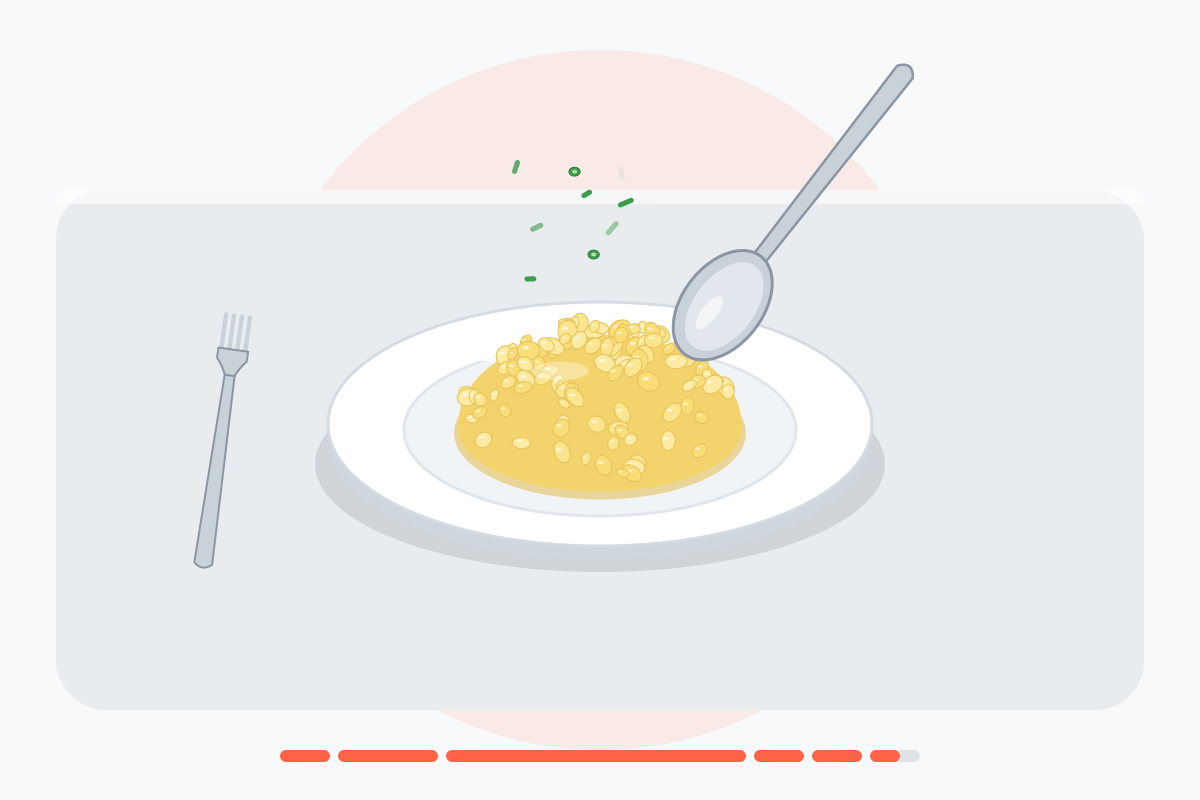
Estimated total time: 12 min with the steps performed in sequence, including cooling and serving.
-
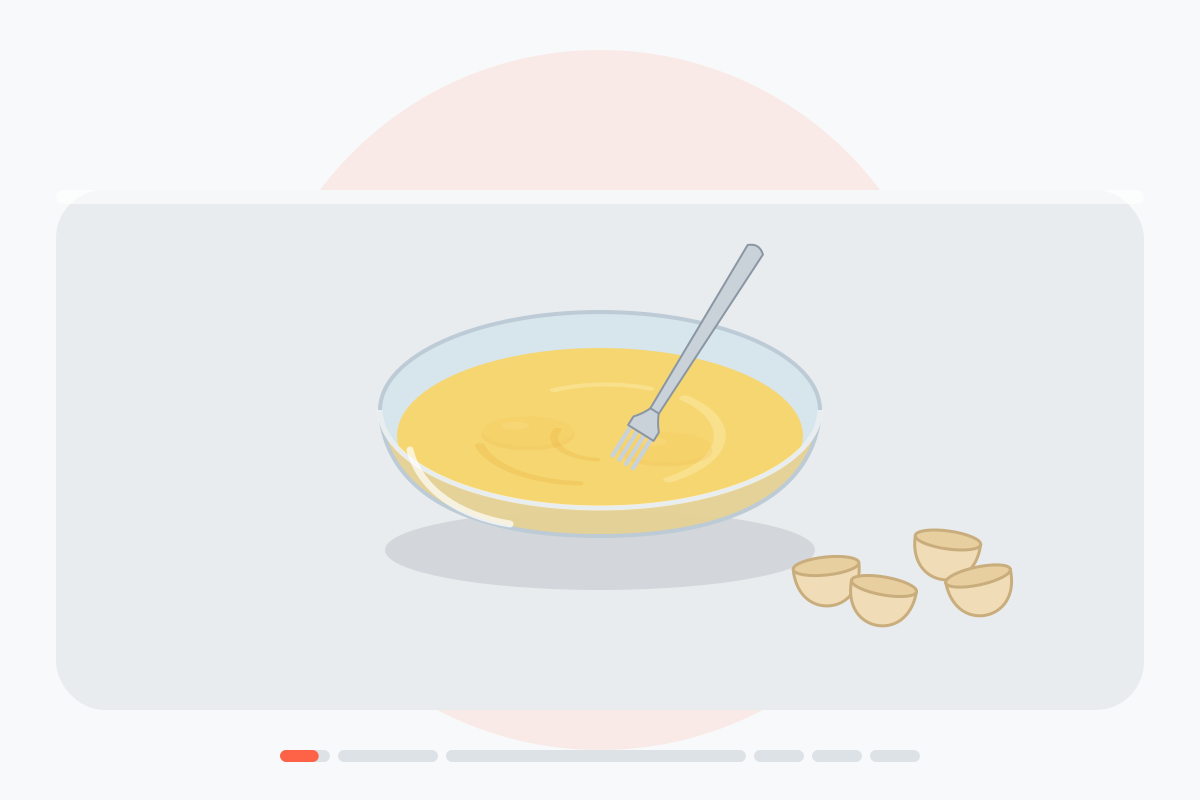
Whisk the eggs lightly: Crack the eggs into a bowl and break them up with a fork. The source says to whisk only lightly, so a few streaks of white and yolk may remain. Estimated duration: 1 min.
-
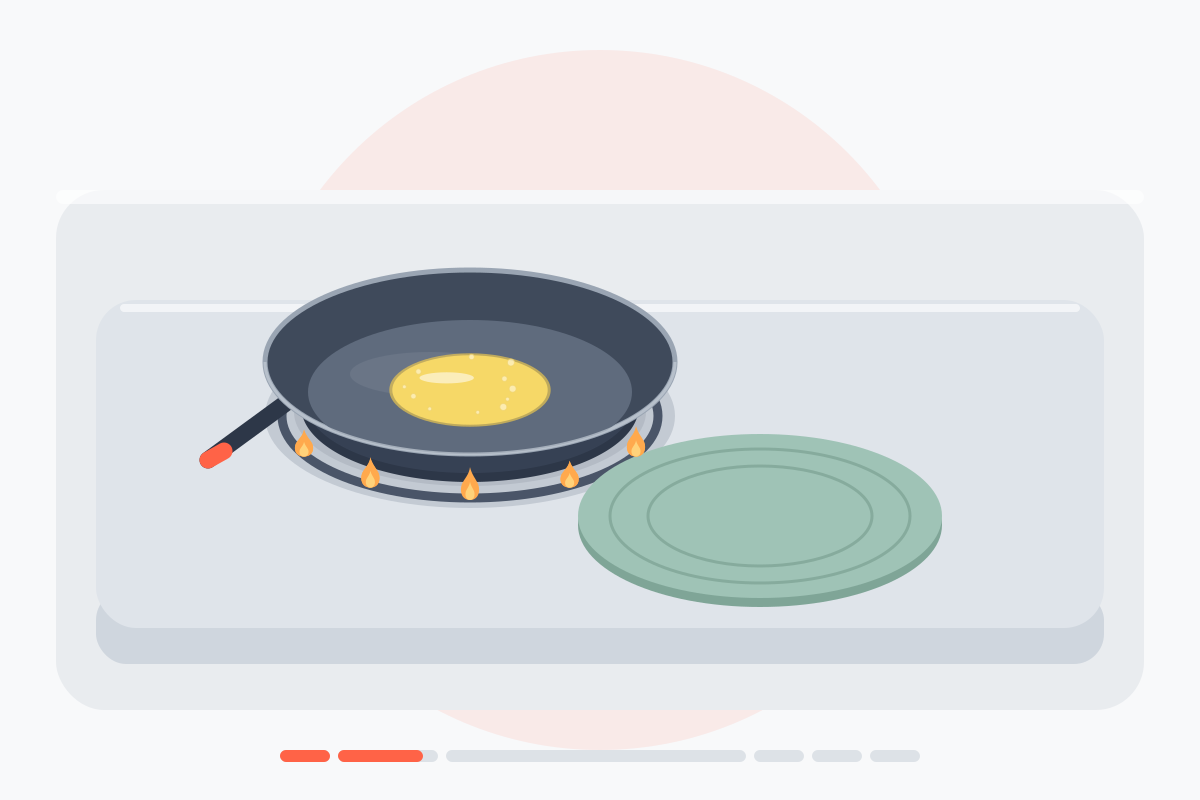
Heat the pan and melt the butter: Warm a small heavy or non-stick pan over medium-low heat and melt the butter in it. The pan should be warm enough for the butter to melt within a few seconds, but the butter must not brown. Estimated duration: 2 min.
-
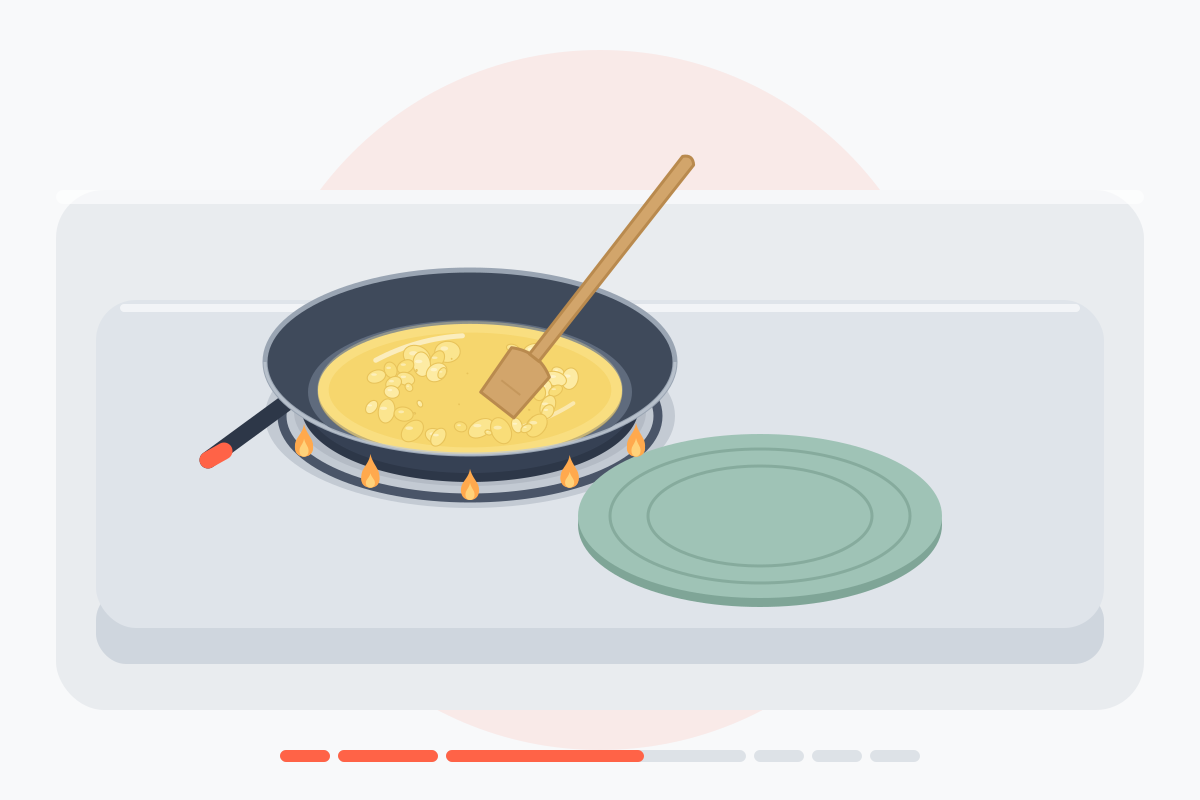
Pour in the eggs and stir slowly: Pour in the eggs and stir slowly and gently with a wooden spoon or spatula, drawing the egg from the edge toward the middle again and again so the liquid egg can run into the space. Keep the heat low enough that the eggs thicken gradually into small soft curds in a creamy base. Plan on about 6 minutes, but let the texture decide, not the clock. The source cooks over medium heat; it lets the mixture set briefly before stirring only for firmer eggs and otherwise allows stirring at once. The lower heat is our adaptation. Estimated duration: 6 min.
-
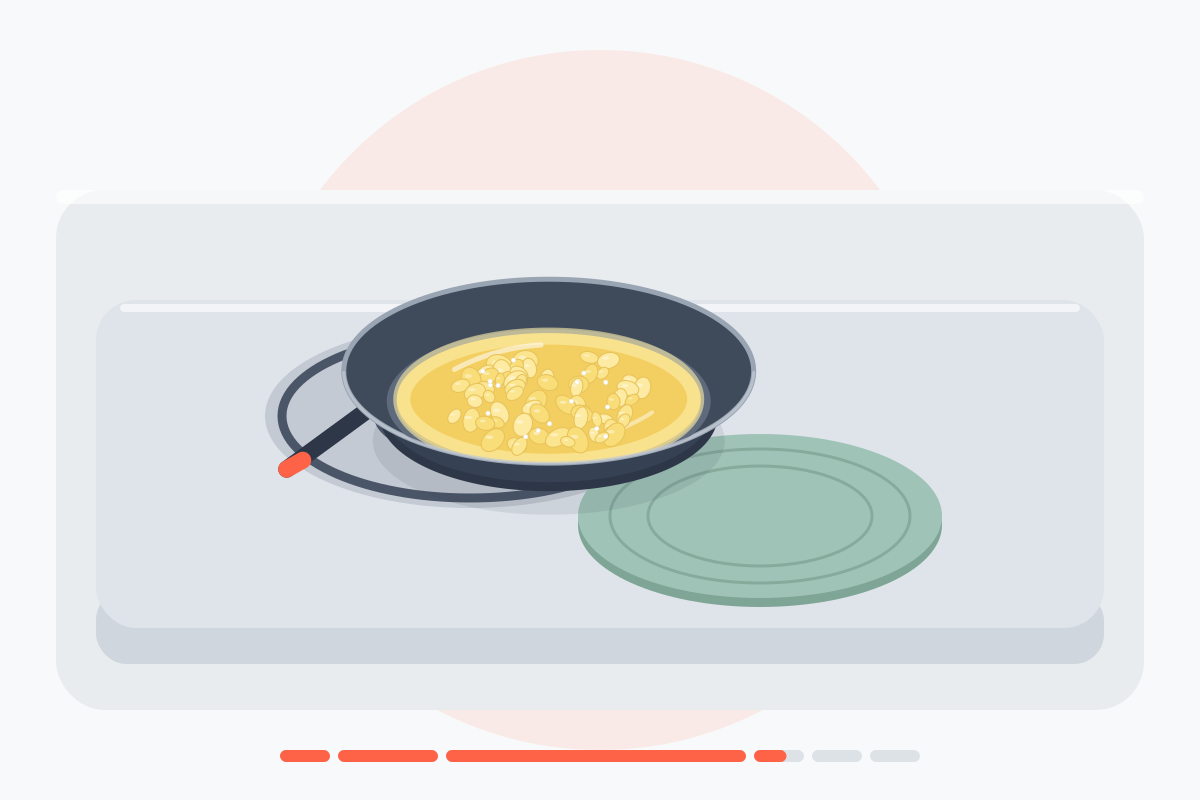
Season and take the pan off the heat while still glossy: Just before the eggs look done, add the salt and, if you like, the pepper, and take the pan off the heat while the eggs are still soft and glossy, because they keep cooking in the hot pan. Estimated duration: 1 min.
-
Stir in cold butter and let the residual heat finish the eggs: If you like, stir in a few small pieces of cold butter. Give the eggs a last gentle stir and let the heat left in the pan finish them to a soft, creamy set. For anyone who must avoid lightly cooked egg, do not stop here: keep cooking until the eggs are firm and no longer runny. Estimated duration: 1 min.
-
Plate and serve at once: Spoon the eggs onto a warm plate and serve immediately, garnished with chives or another herb if you like. The source also suggests hot toast or bread (toasting is optional and not counted in the total). Estimated duration: 1 min.
Tips for successful creamy scrambled eggs #
- Whisk lightly. The source whisks the eggs only lightly, so a few streaks of white and yolk may remain; they blend into the curds as you stir.
- Keep the heat medium-low. The butter should melt within a few seconds without browning. If it takes on colour, lift the pan off the heat for a moment and turn the flame down.
- Stir slowly and keep stirring. Draw the egg from the edge toward the middle again and again so the liquid egg runs into the space. Constant stirring is what keeps the curds small and soft.
- Judge by texture, not by the clock. About 6 minutes is our editorial estimate for stirring 2 eggs; pans, stoves and tastes differ. Look for small soft curds in a glossy base.
- Take the pan off the heat while the eggs still look slightly too soft. They keep cooking in the hot pan, as English Wikibooks also points out.
- Salt near the end, pepper last. The source adds the salt just before the eggs are done. Wikibooks notes that pepper added before cooking can burn and turn bitter, so grind it over the finished eggs.
- Serve at once on a warm plate. Soft scrambled eggs are not for holding warm or keeping for later.
- Allergens. The dish contains egg and butter (milk). Pepper and herbs are optional.
A small pan, low heat and slow stirring #
Scrambling eggs is mostly a question of how fast the egg sets. Over strong heat the egg firms quickly into large dry curds and can turn rubbery; over gentle heat it thickens gradually, which is what makes small soft curds in a creamy base possible. That is general cooking knowledge rather than a result we measured, but it explains why this page lowers the heat.
Use a small heavy or non-stick pan, so that 2 eggs form a layer thick enough to stir rather than a thin sheet that sets all at once. The source’s own figure for how high the eggs should stand in the pan did not make sense for 2 eggs, so we give no pan diameter: choose a pan where the eggs form a layer you can stir.
The butter is the one quantity that surprises: the source lists only 1/3 tablespoon, about 5 g, for the pan. We kept it as stated. It is small for a creamy result, which is why this page adds optional cold butter at the end, in a few small pieces and without a fixed quantity, as the source suggests when serving. Add it to taste.
You will sometimes see this soft, slowly stirred style called French-style scrambled eggs. The label is ours: none of the sources we used says the KochWiki recipe is French, so we file the dish as international.
Where the 12 minutes go #
Every action sits inside the total: whisking the eggs (1 minute), heating the pan and melting the butter (2 minutes), pouring in and stirring (6 minutes), seasoning and taking the pan off the heat (1 minute), stirring in the cold butter and letting the residual heat finish the eggs (1 minute), and plating and serving (1 minute). That adds up to 12 minutes.
None of these durations comes from the source, which gives a single total and no breakdown. All six are editorial estimates, and nothing here was timed by us. The 6 minutes of stirring is the weakest: it depends on your pan, your stove and how soft you like the eggs, so treat it as a plan. When the eggs look right, stop, whatever the clock says. Toasting bread, if you serve toast, is extra and not counted.
Reading doneness: small soft curds, still glossy #
The cue to look for is texture. While you stir, the egg thickens from the edges first and forms small soft curds floating in a thicker, glossy, creamy base. Stop when it still looks a little wet and shiny, with some loose creamy sauce, because the heat left in the pan carries on cooking the eggs after you lift it.
If the eggs turn matte, dry or lumpy while still in the pan, they have gone further than creamy: take the pan off the heat sooner next time. If the eggs set too fast, lifting the pan off the burner for a few seconds while you keep stirring is a common way to slow things down.
For some people, glossy is not the place to stop: see the next section.
Food safety: creamy means not fully set #
Creamy scrambled eggs are soft by design and not fully set, so this dish is not safe by default for everyone. The FDA advises cooking eggs until both the yolk and the white are firm, says scrambled eggs should not be runny, and lists children, older adults, pregnant people and people with weakened immune systems (for example transplant recipients, or people with HIV/AIDS, cancer or diabetes) among those at greater risk of severe illness.
For these people, keep cooking after step 3, stirring, until the eggs are firm and no longer runny, or use pasteurised egg. We give no extra minutes for this because it has been neither documented nor tested: go by the result. Firm eggs will not be the creamy dish this page describes, and that is the right trade-off for anyone who must avoid lightly cooked egg.
Use fresh, undamaged, refrigerated eggs, and serve at once: soft scrambled eggs should not be held warm or kept for later.
This recipe is written for hen eggs. Quail eggs follow the site’s separate guidance: they must be fully cooked for everyone (see our complete quail egg guide ).
The UK Food Standards Agency takes a different position for eggs in the UK: it says young children, pregnant people, older adults and people with underlying health conditions can eat raw or lightly cooked hen eggs if they carry the British Lion mark or are Laid in Britain eggs; otherwise egg dishes should be thoroughly cooked or made with pasteurised egg. That rule is specific to UK hen eggs, so do not apply it to eggs of another origin. Severely immunocompromised people should seek medical advice.
For another egg dish that is fully cooked, try tamagoyaki, the Japanese rolled omelette , where every layer is cooked until no liquid egg remains.
Serving ideas #
Spoon the eggs onto a warm plate and scatter chives over the top. The source also names dill, wild garlic and parsley as garnishes, and suggests hot toast or bread, salad, tomatoes or fried potatoes on the side. None of these other garnishes or sides is in the ingredient list, and toast is optional and not counted in the 12 minutes.
We have no tested guidance on keeping or reheating soft scrambled eggs, so we do not recommend making them ahead. This page is written for 2 eggs; larger batches in a wider pan have not been tested here.
Common problems #
The butter browned. The pan was too hot: start again with a lower heat. The butter should melt without taking colour.
The eggs are dry and lumpy. They cooked too long or too hard. Next time take the pan off the heat sooner, while the eggs are still glossy.
The eggs stick. Use a non-stick pan or add a little more butter to the pan; the source’s quantity is small and we have not tested larger ones.
The eggs are too runny at the end. Put the pan back on gentle heat and stir for a few more seconds. For anyone who must avoid lightly cooked egg, keep going until the eggs are firm.
The pepper tastes scorched or bitter. Add it at the end, over the finished eggs, not before cooking.
Source and attribution #
This article is an adaptation of the Klassisches Rührei page of the KochWiki community cookbook (in German, by KochWiki contributors, page last edited on 6 September 2017), published under the Creative Commons Attribution-ShareAlike 3.0 license (CC BY-SA 3.0) . The technique tips about taking the eggs off the heat just before they look done, because they keep cooking, and about adding pepper at the end come from the English Wikibooks page Cookbook:Basic Scrambled Eggs (by Wikibooks contributors, CC BY-SA 4.0). The text has therefore been changed: translated into English, rewritten and expanded with explanations and editorial advice by HowCookEggs. Changes from the source: the heat is lowered from medium (KochWiki) to medium-low; the pan comes off the heat just before the eggs are done; optional cold butter is added at the end, without a fixed quantity; the total time of 12 minutes is the sum of the six steps, not the 15 minutes the source states; all durations are editorial assumptions, because the source breaks none of them down; the source’s figure for how high the eggs stand in the pan was not used; the source’s other garnishes and side dishes were left out, except chives and toast; and a food safety warning was added. The combined adaptation is published under the Creative Commons Attribution-ShareAlike 4.0 license (CC BY-SA 4.0) . We have not cooked or timed this recipe ourselves: it follows the cited sources.
Frequently Asked Questions #
How long do creamy scrambled eggs take? #
The total is 12 minutes: whisking (1), heating the pan and melting the butter (2), stirring (6), seasoning and taking the pan off the heat (1), finishing with cold butter (1), and plating and serving (1). None of these durations comes from the source, which gives only a total with no breakdown: they are editorial estimates, and we timed nothing ourselves. The 6 minutes of stirring is the weakest, so go by texture, small soft curds that are still glossy, rather than by the clock.
Are creamy scrambled eggs safe for everyone? #
No. Creamy means soft and not fully set, so the egg is not completely cooked. According to the FDA , children, older adults, pregnant people and people with weakened immune systems are at higher risk of severe illness, and scrambled eggs should not be runny. For them, cook until the eggs are firm and no longer runny, or use pasteurised egg. The UK Food Standards Agency rule about British Lion or Laid in Britain eggs is specific to the UK and does not apply to every egg. This recipe is written for hen eggs: quail eggs must be fully cooked for everyone (see our complete quail egg guide ). For an egg dish that is cooked through, see also tamagoyaki, the Japanese rolled omelette .
Why medium-low heat when the source cooks over medium? #
It is an editorial choice. KochWiki melts the butter and cooks the eggs over medium heat; it lets the mixture set briefly before stirring only for firmer eggs and otherwise allows stirring at once. To get creamy eggs we lower the heat to medium-low, stir from the start and take the pan off the heat just before the eggs are done. That change has not been tested here: if your eggs set too fast or the butter browns, turn the heat down further, or lift the pan off the burner for a few seconds while you keep stirring.
Can I use more butter? #
The source lists only 1/3 tablespoon of butter (about 5 g) for the pan, which is small for a creamy result, and we kept it as stated. The cold finishing butter, a few small pieces, is optional with no fixed quantity: add it to taste. We have not tested larger amounts, so taste and adjust.
Can I make creamy scrambled eggs ahead or keep them warm? #
We have no tested or documented advice for holding, storing or reheating them, and we do not recommend it: the eggs keep cooking in the hot pan, and soft scrambled eggs should be served at once.
How is this different from the scrambled quail eggs with truffle? #
They are two separate recipes. This one uses hen eggs, a little butter and chives for an everyday meal; the other page uses quail eggs, cream and fresh black truffle for a starter for two (see scrambled quail eggs with truffle ). If you want another tender egg, try our poached eggs or our soft-boiled eggs guide .